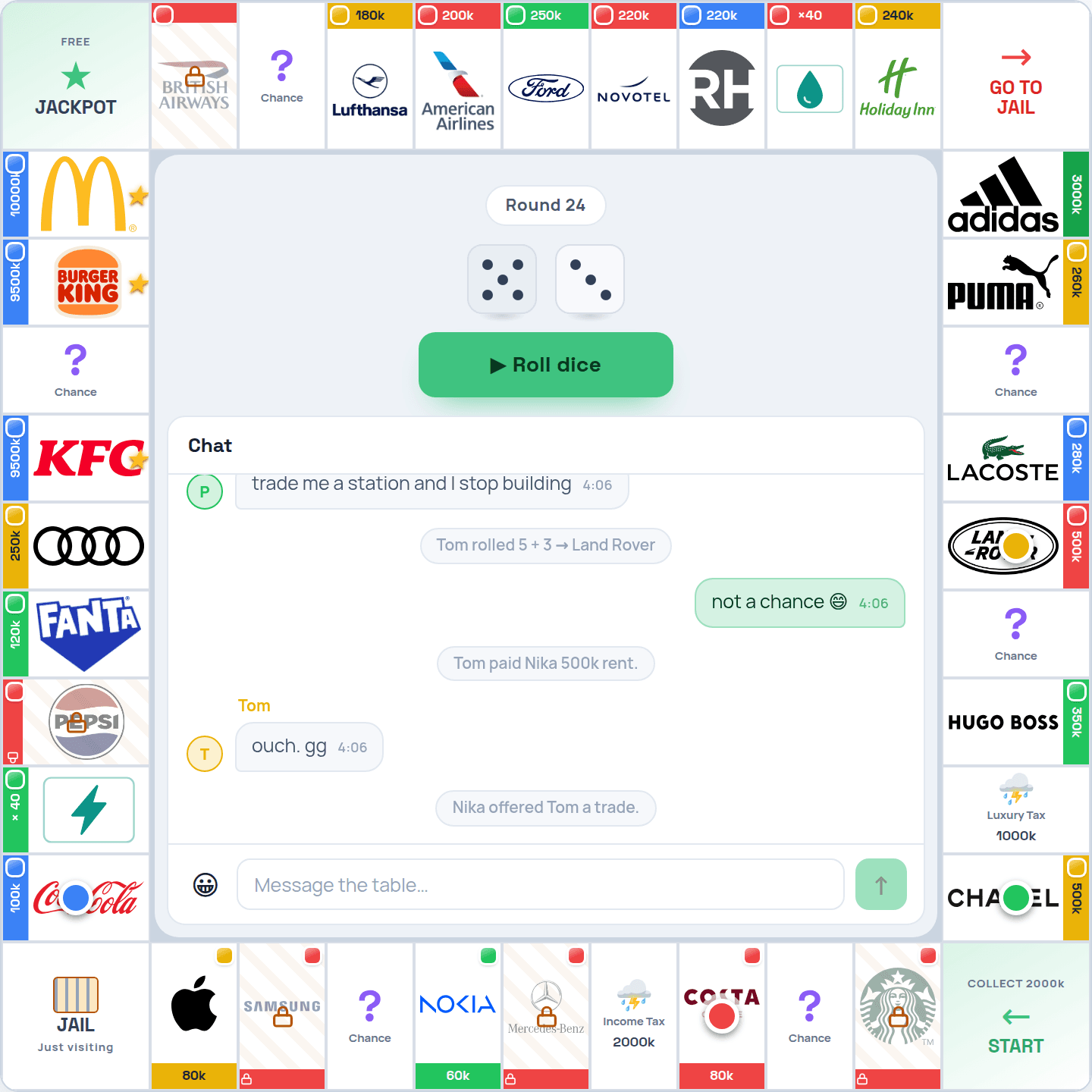
Las páginas de reglas ya describen el juego que de verdad publicamos
El reglamento, la guía y la página de cómo jugar se habían separado del juego. Se reescribieron los tres, la guía ganó seis imágenes y se sumaron cinco páginas de referencia nuevas.
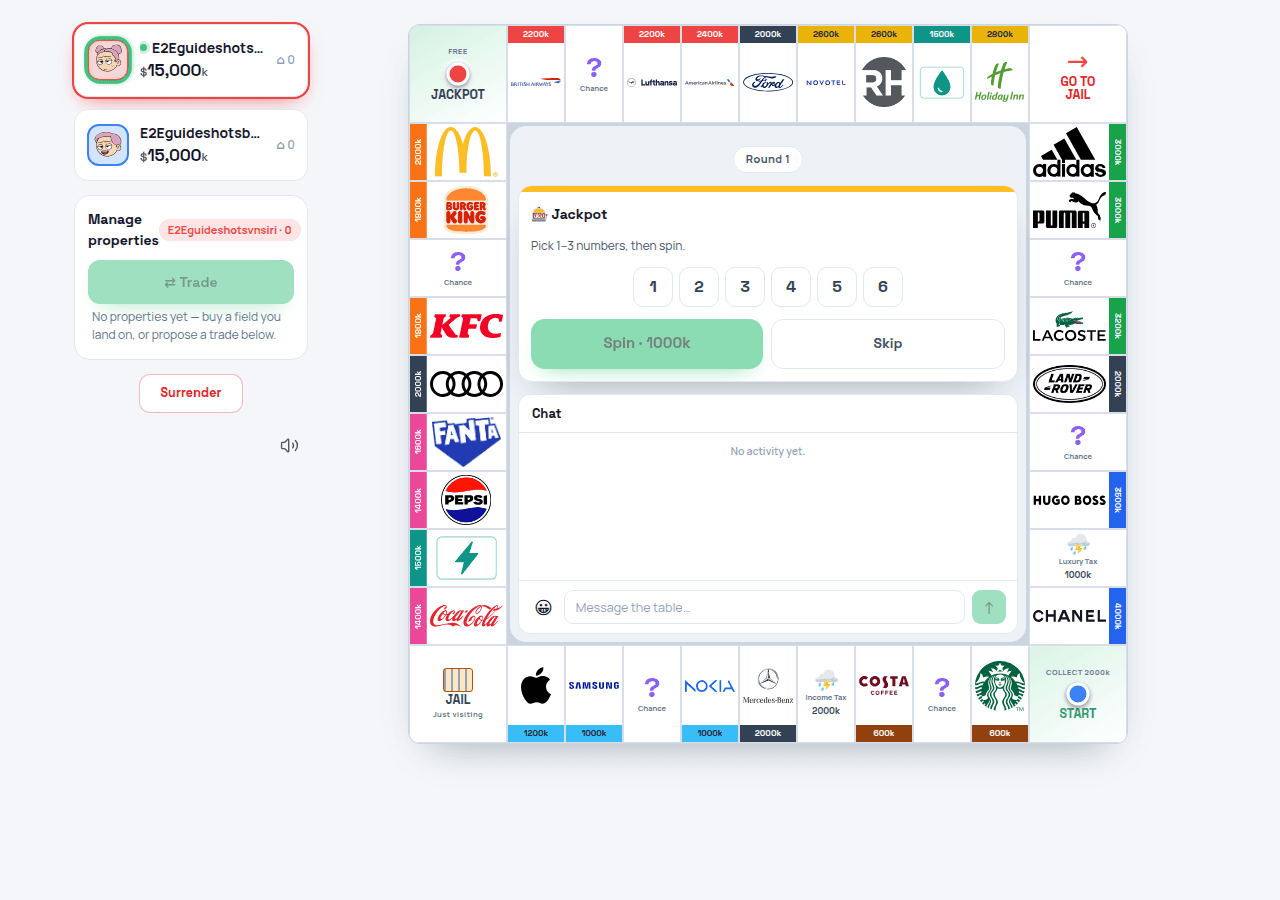
En palabras sencillas
Las cuatro páginas que explican opolyx se habían quedado atrás respecto del juego que explican. El modo por equipos no aparecía ni una vez en el reglamento ni en la guía, aunque se puede elegir en el vestíbulo. La casilla 20 se llamaba «Estacionamiento gratuito» cuando es el Bote desde hace meses — y el reglamento no mencionaba el Bote en absoluto. La cárcel decía que se le liberaba tras tres intentos fallidos, cuando en realidad se le cobra la fianza. Las reglas de alquiler omitían el aumento que dan sus cartas coleccionables. Y la página de cómo jugar ofrecía una carta para salir de la cárcel que no existe en el juego.
La peor frase estaba en la guía: «gane una partida real pasada la ronda 20 y conseguirá una carta de propiedad más 200 XP». El umbral de XP son cinco rondas, no veinte (solo la carta sigue esperando a la ronda 20), y desde la actualización de progresión gana XP cada asiento — esa frase estaba mal en diez idiomas a la vez. Las cuatro páginas se reescribieron contra el código: el reglamento pasó de 13 secciones a 17 y ahora cubre todos los modos, y la guía de 22 a 26.
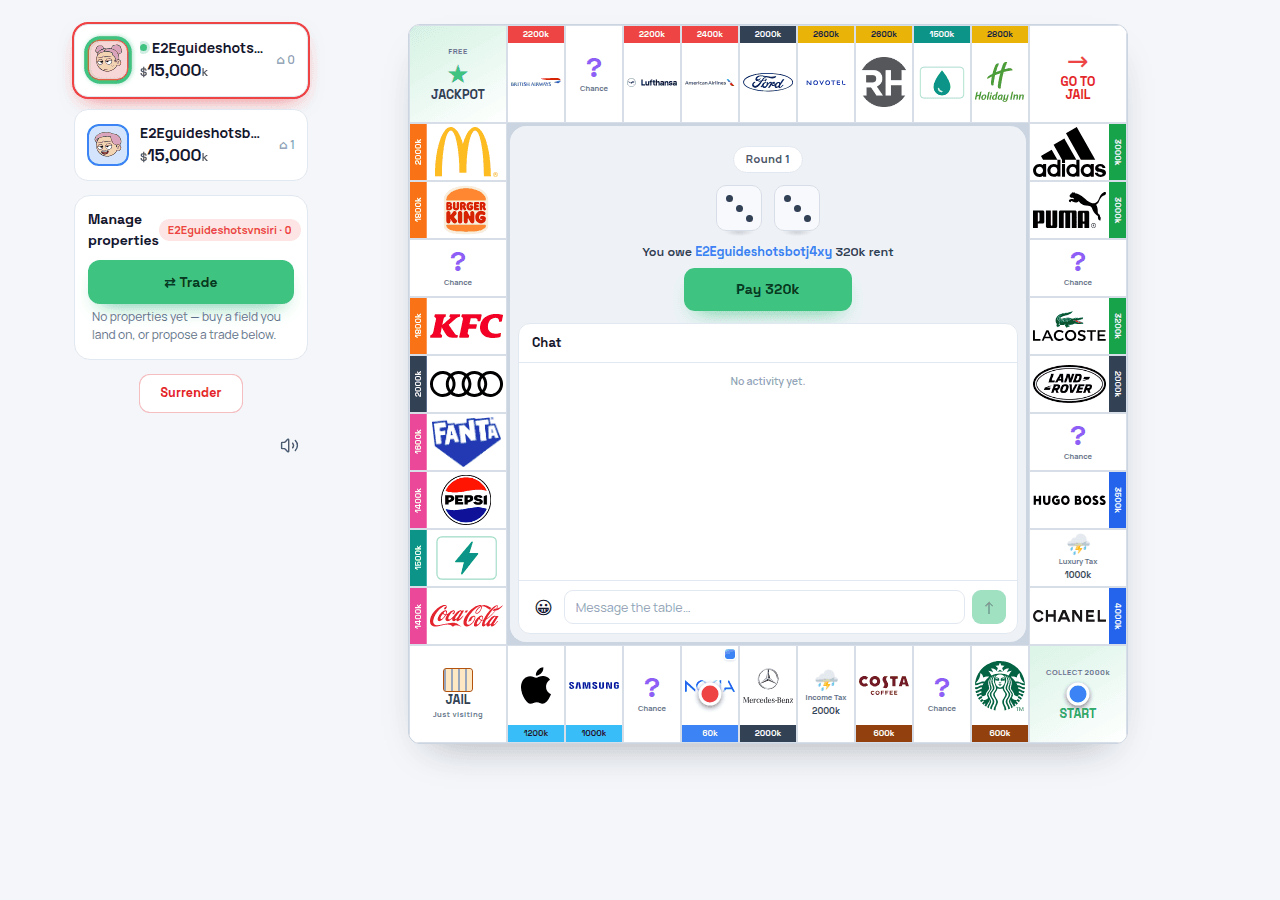
La guía también tiene imágenes donde casi no las tenía: diez figuras en vez de cuatro, todas capturadas de partidas reales. Comprar, subastar, construir, pagar una deuda, el dado de velocidad y el Bote tienen ahora su captura, y se rehicieron tres antiguas porque mostraban un tablero que ya no publicamos.
Y hay cinco páginas de referencia nuevas para quien disfruta del detalle: estadísticas de unas cuatro mil partidas simuladas, una referencia casilla por casilla del tablero, una guía de estrategia cuyos consejos salen de esas estadísticas y no de opiniones, un glosario de dieciocho términos y una comparación honesta con Monopoly One, el juego en el que se inspiró opolyx.
Para los más técnicos
La documentación se desvía porque es una copia. La solución, donde se pudo, fue dejar de copiar: la tabla comparativa de modos de la guía era una transcripción a mano de los ajustes de cada modo y ahora se genera a partir de esos mismos ajustes.
// components/GuideDoc.tsx — the comparison table reads the real configuration
const columns = MODE_COLUMNS.map((mode) => ({ mode, cfg: modeConfig(mode) }));
return [
  row('cash', (c) => c.startingCash.toLocaleString('en-US')),
  row('turn', (c) => `~${c.turnSeconds}s`),
  row('cap',  (c) => String(c.roundCap)),
  row('die',  (c) => (c.speedDie ? `✓ (${c.speedDieFromRound}+)` : '—')),
];
// modeConfig() is what the game server reads when a game starts, so the table
// cannot drift from the rules actually being applied.
Las imágenes que faltaban tenían una causa mecánica que conviene recordar. La guía muestra un pie de foto solo cuando hay una captura asociada a esa sección — así que cinco pies escritos, revisados y traducidos a diez idiomas no se habían mostrado nunca a nadie. Añadir las capturas puso a trabajar cincuenta cadenas traducidas.
La página de estadísticas es lo único del sitio que no se puede copiar de otro lado: se produce ejecutando el motor real — el mismo código que ejecuta sus partidas — varios miles de veces en todos los modos y con todos los números de jugadores. También se comprueba a sí misma: la frecuencia medida de dobles salió 16,68% frente a un 16,67% teórico, y un test verifica esa coincidencia, porque es la prueba más barata posible de que la simulación no está sutilmente rota.